

13-Day Online Immersive Training

 Live Online Via Zoom
 05:30 PM - 08:30 PM GST, 09:30 AM - 12:30 PM EDT
This 13-day intensive certification program equips participants with cutting-edge psychology based tools and techniques.
Fee: Competitive pricing with an optional
installment plan
Core Principles of CBT (Cognitive Behavioral Therapy)
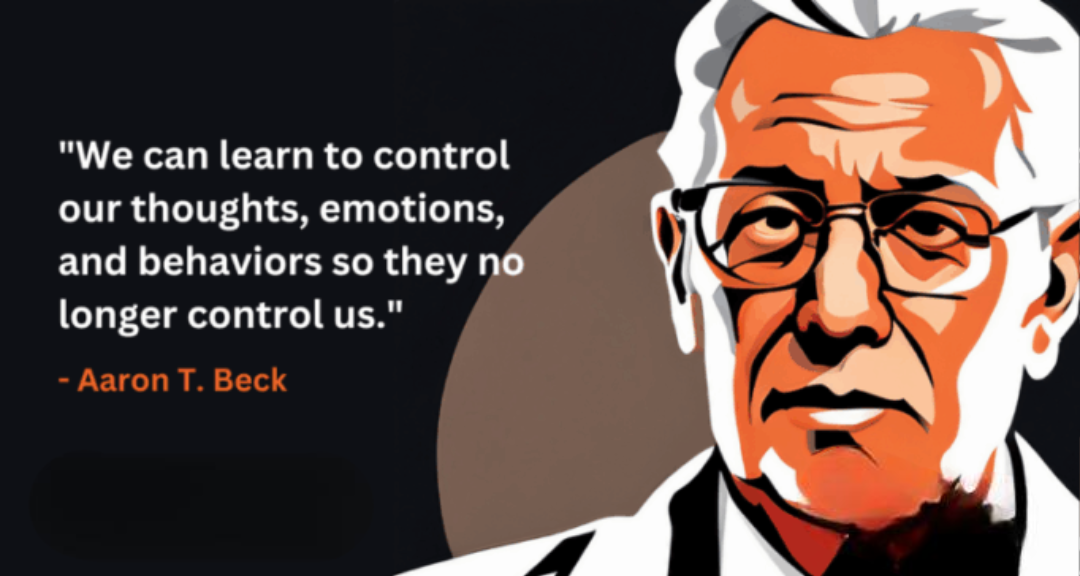
Cognitive Behavioral Therapy (CBT) was developed in the 1960s by Aaron T. Beck. It changed the way therapy was done by focusing on changing negative thoughts that affect emotions and behaviors. Unlike older methods like psychoanalysis, CBT is practical, focused on the present, and shorter in duration.
CBT continues to be effective because it adapts over time while staying focused on changing negative thinking patterns. It’s used worldwide and remains a trusted treatment method for many mental health conditions.
CBT is unique because it is:
1.Goal-Focused: Both help people set and achieve goals, whether it’s managing emotions in CBT or reaching personal goals in coaching.
2.Practical Tools: Both teach practical strategies to overcome challenges and take action.
3.Self-Awareness: Both encourage understanding your thoughts, feelings, and behaviors to improve your life.
4. Empowering: Like CBT, coaching helps people build confidence and skills to manage their own growth.
| Aspect | Then (1960s–1980s) | Now (2020s–Present) |
|---|---|---|
| Focus | Changing negative thoughts. | Includes mindfulness and emotional skills. |
| Issues Treated | Depression and anxiety. | Treats many issues like PTSD, OCD, and addiction. |
| Approach | Short, structured sessions. | Combines CBT with other methods (like mindfulness). |
| Technology | In-person therapy only. | Online apps and digital CBT programs. |
| Research | Early research. | Strong scientific support and proven success. |
| Therapist Role | Directly guides the patient. | More collaborative, involving patient input. |
1. Versatile Skills: The perfect blend of psychology, coaching, and behavior change for maximum impact.
2. Science-Backed: Grounded in evidence-based practices from CBT and cognitive psychology.
3. High Demand: Equip yourself with sought-after skills in coaching, therapy, and personal development spaces.
4. Global Impact: Prepare to transform lives across personal, corporate, and therapeutic contexts.
Objective: Build a solid understanding of coaching principles while integrating cognitive psychology insights.
Duration: 4 Days
Key Topics:
Outcome:
Participants will gain foundational coaching skills and the ability to apply cognitive psychology to foster deep client insights.
Objective: Introduce participants to CBT principles and their practical applications in coaching.
Duration: 4 Days
Key Topics:
Outcome:
Participants will understand CBT’s power as a coaching tool and learn how to integrate it effectively into their practice.
Objective: Empower participants with advanced skills to facilitate cognitive and behavioral change in clients.
Duration: 5 Days
Key Topics:
Outcome
Participants will become adept at using CBT and behavioral techniques to empower clients to achieve lasting transformations.
CBT is a powerful tool for managing modern challenges and fostering personal growth.
1 . Stress Relief: Helps manage anxiety and life pressures
2 . Emotional Strength: Builds resilience and coping skills.
3. Clear Thinking: Promotes mindfulness and focus.
4. Efficient: Practical, time-saving approach.
1. Break Barriers: Overcome self-doubt and limiting beliefs.
2. Positive Habits: Create lasting behavioral change.
3. Achieve Goals: Align thoughts with actions.
4. Boost Confidence: Replace negativity with empowering beliefs.
1 . Effective Treatment: Proven for anxiety, depression, and more.
2 . Balance: Reduces negative thinking for better well-being.
3 . Prevention: Teaches early intervention skills.
4 . Self-Empowerment: Offers practical tools for self-care
CBT connects coaching and mental health by providing practical strategies to create meaningful, lasting change.
1 . Triple Certification: Earn credentials as a CBT Practitioner, Cognitive Psychology Coach, and Behavioral Coach.
2. Proven Frameworks: Master sciencebacked techniques to address anxiety, stress, burnout, goal-setting, habit formation, and imposter syndrome.
3. Client Transformation Tools: Equip yourself with skills to foster cognitive shifts and behavioral changes in clients.
4. Self-Development: Gain insights into managing your own thoughts, emotions, and habits for personal and professional growth.
5. Versatility: Apply these skills across diverse contexts, including corporate coaching, personal development, therapy, and life coaching.
Transform your coaching practice by enrolling in this powerful program. The skills and certifications you gain will amplify your impact, enhance your client relationships, and set you apart as a leader in the field.
1 . Interactive Learning: Hands-on activities and discussions for deeper engagement.
2 . Reflective Integration: Journaling and self-assessment for personal insights.
3 .Progressive Learning: Step-by-step mastery of CBT, cognitive psychology, and behavior coaching techniques.
4 . Immersive Environment: Real-world scenarios and active participation.
5 .Live Demonstrations: Expert-led examples of skills in action.
6 .Modeling Techniques: Observing and practicing effective methods.
7 . Real-Time Application: Immediate use of techniques during sessions
8 .Personalized Feedback: Individual guidance to enhance performance.
9 .Interactive Group Work: Peer collaboration and skill-building exercises.
Our program is designed to deliver a comprehensive and hands-on learning experience, equipping participants with practical skills and a deep understanding of cognitive and behavioral techniques. The training is divided into three progressive phases, each focusing on core principles and techniques to ensure mastery of practical application.

With a distinguished background in coaching, counseling, and behavioral training, Qurat ul Ann is a passionate advocate for personal mastery and professional excellence. As an ICF Professional Certified Coach (PCC) and Licensed Cognitive Behavioral Trainer, she blends the science of psychology with the art of coaching to create deeply transformative learning experiences.
Ann specializes in guiding coaches and leaders on their journeys of self-discovery, empowerment, and growth, helping them navigate mindset, emotional intelligence, and leadership development. Her approach integrates evidence-based practices from CBT, Counseling Psychology, Emotional Intelligence, and NLP, fostering lasting change through reflection, awareness, and action.
A multilingual professional fluent in English, Arabic, and Urdu, she brings inclusivity and cultural depth to her mentoring. She is the visionary behind EmpowerHer Coaches – Pave the ICF Way, a mentoring program supporting ACC and PCC credentialing coaches, and the founder of Inspiration to Excellence, a community committed to coaching, mentoring, and transformational training
"I recently completed an emotional intelligence training course, and it exceeded my expectations. The facilitator, Vikram Dhar, was incredibly knowledgeable and brought a depth of expertise that made the sessions engaging and meaningful. The content was well-structured, relevant, and highly applicable to a corporate environment. What stood out most were the real-time learning tools and practical exercises that allowed us to immediately apply the concepts in our day-to-day interactions. This training not only enhanced my self-awareness and communication skills but also equipped me with practical strategies to navigate workplace dynamics more effectively. I would highly recommend this programme to anyone looking to strengthen their emotional intelligence and foster more positive, productive professional relationships, especially with CST, as they are very well organised, the entire team is super supportive and offer other networks for ongoing learning."
"In Q4 2025, I had a great experience with Coach Skill Training, particularly through the NLP Training program by Vikram Dhar, which was truly transformative, well-supported by VP Menon and the team. Vikram’s program was very engaging, with real-life scenarios and their applications. Provided materials and tools that you can immediately apply in your personal and professional life, as well as reading materials and documents to practice and perfect yourself with in the long term. The continuity of learning and practicing is enhanced by adding you to the larger group of past-trained professionals, which has weekly and monthly Mastery sessions. I am happy to give a 5* rating as they do not just train and certify and let you go; they stay true to their Vision and Mission. Highly recommend CST. I participated in a second program, “Applied Cognitive Psychology & Behavioral Science Coach Program Led by Ms.Qurat Ul Ann and CST team, a great learning Journey of understanding thoughts, patterns, shifting patterns, core values, and growing to a more aware, grounded version of self and as a coach. This was brilliantly delivered by Qrat and supported by Tulika. In 2026, I have already registered for a few more programs, and yes, for your Training and Learning, CST is the best I can recommend."
"I had an amazing experience with Coach Skills Training and Master Coach Vikram! His NLP training is truly world-class — clear, practical, and transformational. I took the NLP Practitioner course earlier this year and found it so valuable that I came back for a refresher, and I’m also signing up for more programs with them such as EI and cognitive psychology! Vikram’s teaching style is engaging, insightful, and full of real-life applications. Every session leaves you with tools you can immediately apply in your personal and professional life. The environment is supportive, interactive, and genuinely uplifting. If you’re looking to grow, develop new perspectives, or strengthen your coaching skills, I highly recommend Coach Skills Training. This is one of the best investments I’ve made in myself!"
"Coach Skills Training was a cornerstone in my journey, not only toward earning my ICF ACC credential but also in my personal development. The program went beyond technical training, offering a holistic experience that fostered growth, self-awareness, and transformation. A special mention to my mentor, Vikram, whose guidance and expertise were instrumental in shaping my coaching abilities. The unwavering support of the incredible VP and his dedicated team made the journey even more enriching. Their commitment to every participant’s success is truly remarkable. What stands out about CST is the supportive community it has built, a group of like-minded coaches from around the world. The shared learning, encouragement, and diverse perspectives from this global network were invaluable and continue to inspire me. CST provided me with the tools, confidence, and network to thrive as a coach. If you’re looking to grow personally and professionally while achieving your ICF credentials, I cannot recommend CST enough."
"Being associated with Coach Skills Training, formerly known as UV Consultants has been a truly transformative experience. My journey with VP Menon and Vikram Dhar began almost 9 years ago when I attended their introductory NLP training. That marked the start of my exploration into human growth and since then, I have had the privilege of participating in numerous trainings with them, each enriching my personal and professional development. What makes a training special experience is the awareness that comes to the surface because of the trainer and the Institue, and that is certainly my experience with Coach Skills Training! Give yourself the opportunity to experience the transformative journey of training with Coach Skills Training!"
"Coach Skills training was an amazing learning platform for me. This has been a life-changing experience both in my personal life and in my career. I have developed my confidence and communications skills to the next level and apply these in all walks of life to gain a deeper understanding of myself and those around me. I highly recommend Coach Skills Training , so try this out to see it for yourself. VP is an excellent presenter who explains the subject in a manner that enables participants to gain the confidence and understand the details of the course well and my trainer Vikram Dhar was amazing and very brilliant who explains the subject in a manner that enables participants to gain the knowledge. Thank you so much CST"
"Had an absolutely amazing learning experience with CST. These guys are thorough, well intended, add value, and truely help to take the participants through each step of the journey. The best thing is, their learning support doesn’t stop after the session. It’s an ongoing process and they’ve always been there to support me in my journey."
"Coach Skills Training FZCO (CST) "This NLP course was everything I hoped for and more. The entire experience was incredibly enjoyable and fun, thanks to the fantastic coach who was both expert and inspiring. It was also a wonderful opportunity to connect with others, and I'm so happy to have left with a new group of friends. A truly memorable and worthwhile experience!" 😋1 "
"I would be lying if I say that I am always thinking positive, none is, and that’s where my entire perspective got questioned. Signing up for NLP training program has been one of the best decisions I’ve taken, and Coach Skills Training aka CST played a very significant role in facilitating my journey. The entire CST team ensured that our experience was truly phenomenal and helped us at every step. A group of some 30 individuals, variety of professions, various thoughts, one solid mentor, NLP master trainer, Pioneer in coaching and mentoring Mr. Vikram Dhar, took us through a thought provoking, coaching journey. A massive thank you to the team ‘coach skills training’, Mr. VP Menon, Mr. Vikram Dhar, Ms. Tulika Singh, Ms. Divya Pillai and Mr. Swapnil for playing an instrumental role in all the learning that happened in the last two weeks. I feel enriched with a deep sense of clarity. Thank you!"
"The Coaching Skills Training was an amazing experience. A special thanks to VP Menon for setting such a positive tone for the program, keeping us motivated, and making sure we felt connected from the very beginning. And of course, Mr. Vikram Dhar — his guidance and way of challenging us to see ourselves and our goals differently made the learning truly meaningful. The sessions were engaging, easy to follow, and gave plenty of space to reflect, learn, and connect with others. The team was very responsive to questions, and their communication before and after the program was excellent. I would definitely recommend connecting with them. Last but not the least thanks to Divya for her instant response and being available even in odd times. This is what is called commitment and passion. Thanks team.💕"
Bonus Benefit
Registering for this NLP Practitioner & Coach program (Feb 2024 Batch) also allows you to gain a complimentary pass to attend a special learning session with Ms. Judith DeLozier, which will be conducted via Zoom.

Judith DeLozier has been a trainer, co-developer, and designer of training programs in the field of Neuro-Linguistic Programming since 1975. A member of Grinder and Bandler’s original group of students, Judith has made fundamental contributions to the development of numerous NLP models and processes. She is the co-author of Turtles All the Way Down (with John Grinder) and the Encyclopedia of NLP (with Robert Dilts).
For more info about Judith DeLozier please visit https://www.judithdelozier.com/

